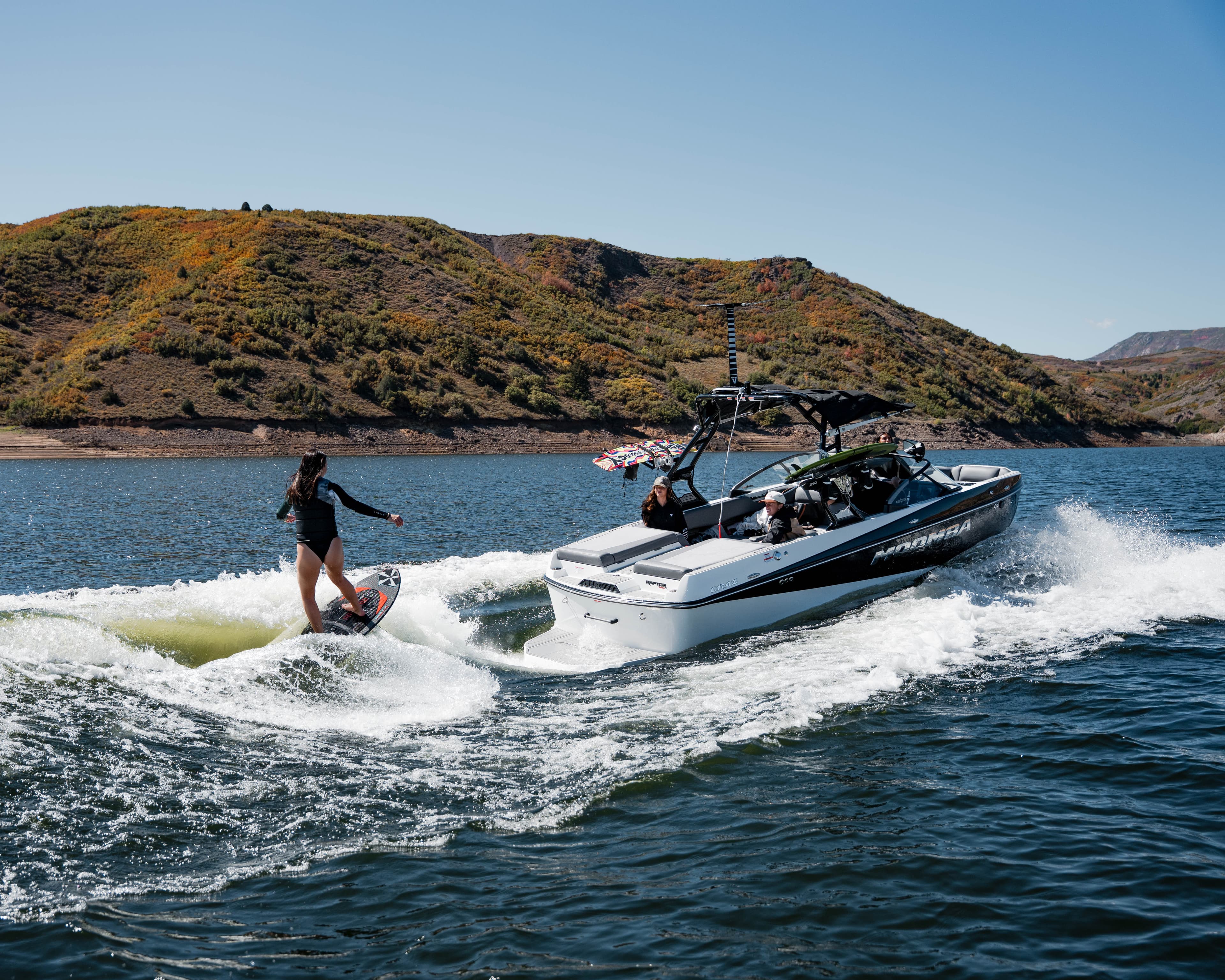
A boat detail is a chance to clean the surfaces that a quick rinse at the ramp misses. Before booking one, decide what needs attention. A waterline stain on gelcoat, mildew under a seat cushion and dull metal trim each call for a different treatment.
Look at the finish in daylight
Inspect the hull sides and deck after loose dirt is washed away. Note stains, scuffs, chalky patches and damaged areas separately. Ask a detailer which marks they expect to clean and which need a repair estimate. Have them identify the finish and explain the cleaner or polish they would use. A method suited to gelcoat can damage paint, decals or a wrap.
Include the areas you touch every trip
Check seat seams, the undersides of removable cushions, cup holders and storage compartments. Ask what is included in the quoted price and how the interior will dry before the cover goes back on. Follow the upholstery maker’s care instructions. Keep slippery finishes off steps, handholds and boarding surfaces.
Decide what protection is appropriate
Find out which surfaces the proposed protectant is designed for and how the manufacturer says to maintain it. Ask whether the quote covers the hull above the waterline, the bottom, or both. For a boat that stays in a slip, underwater growth and bottom coatings are a separate conversation from polishing the topsides.
Keep a record for the next owner
Photograph the boat before and after the work and save the itemized receipt with your service records. A buyer can see what was cleaned and when. If the detail reveals cracked upholstery, damaged fittings or a deep scratch, record those separately so you can price the repair. When comparing quotes, give each provider the same boat model, storage conditions and list of surfaces.