Boat Storage on Norris Lake: What Owners Should Know
Boat Storage on Norris Lake: What Every Owner Should Know
Life is better on the water — and if you're lucky enough to boat on Norris Lake, you already know that. With approximately 34,000 acres of surface water and roughly 800 miles of shoreline stretching across Campbell, Claiborne, Anderson, and Union counties, Norris Lake is one of the premier boating destinations in East Tennessee. But when the season winds down, or even during mid-season breaks, every boat owner faces the same question: where do I store my boat, and how do I protect it?
Whether you're a first-time owner or a seasoned boater, getting your storage strategy right can make a real difference in how long your vessel stays in top shape. This guide walks you through everything you need to know about boat storage on Norris Lake — from choosing the right option to prepping your boat before it sits.
Estimated read time: 7 minutes
Why Proper Boat Storage on Norris Lake Matters
Norris Lake was created by Norris Dam — the first dam ever built by the Tennessee Valley Authority — completed in 1936. The dam transformed the Clinch and Powell River valleys into the lake we know today. Because much of the shoreline remains free of commercial development due to TVA land management, the lake maintains remarkable water clarity compared to many Tennessee reservoirs. That natural beauty is worth protecting — and so is your boat.
Norris Lake experiences freezing temperatures during winter months that can cause serious damage to improperly winterized boats. Proper boat storage protects your vessel from UV damage, moisture, and the freeze-thaw cycles that are part of an East Tennessee winter. Skipping this step can lead to costly engine repairs, hull damage, and a shortened lifespan for your investment.
Types of Boat Storage Available Near Norris Lake
Norris Lake marinas offer a variety of boat storage options, and understanding each one helps you choose what fits your lifestyle and budget. Boat storage costs vary based on boat size, storage type, and location, so it's worth weighing your options carefully.
Wet Slips
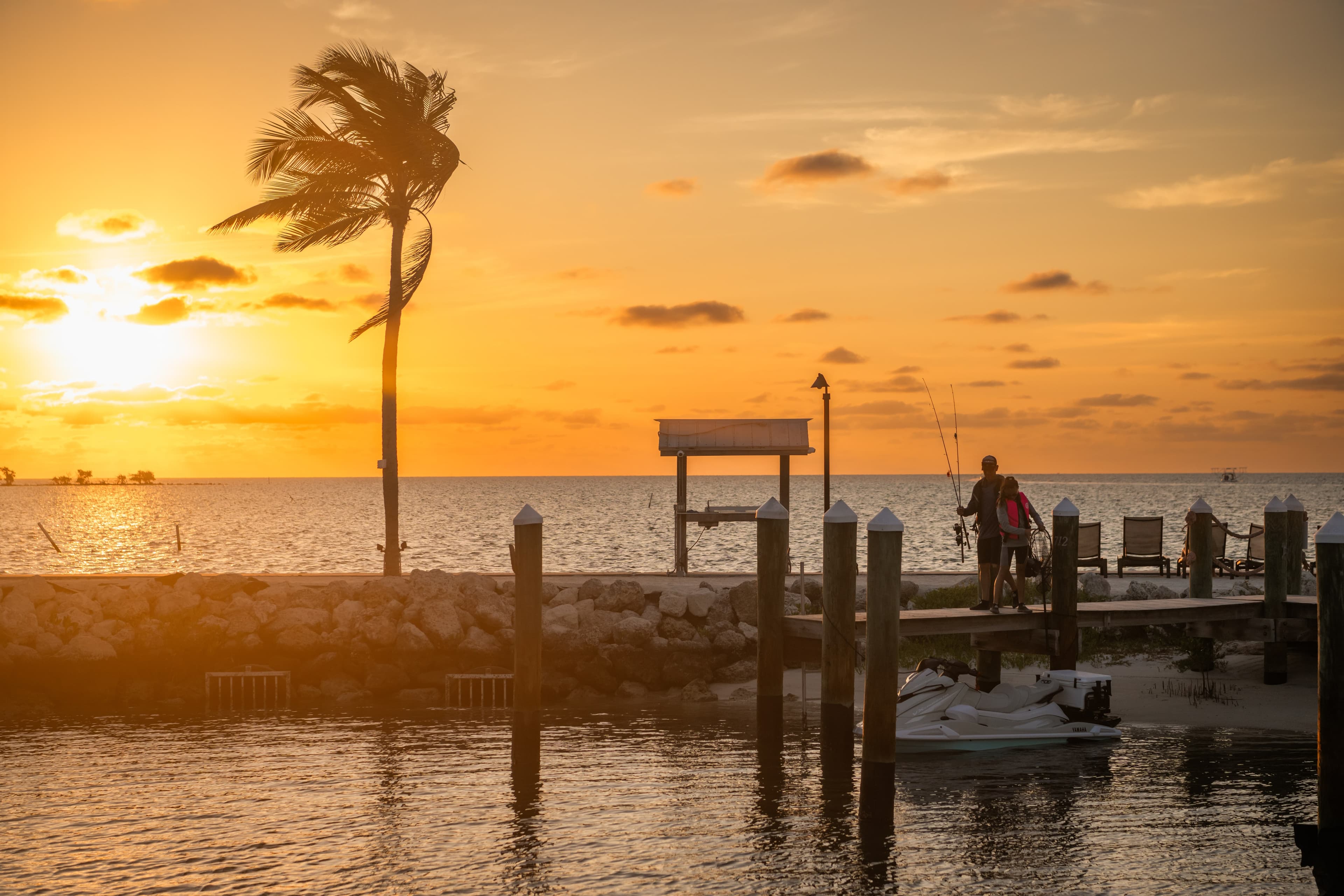
A wet slip keeps your boat in the water at a dock, ready to go whenever you are. This is a popular choice for owners who boat frequently and want quick access without the hassle of trailering. Covered boat slips protect your vessel from sun and rain exposure while keeping it in the water — a smart upgrade over an open slip if you're leaving your boat dockside for extended periods.
Dry Stack Storage
Dry stack storage facilities allow boats to be launched and retrieved without a traditional slip. Your boat is stored on a rack — typically in a covered warehouse-style building — and staff uses a forklift to place it in the water when you're ready to go. This option offers solid protection from the elements and is well-suited for owners who want convenience without the boat sitting in the water full-time.
Trailer Storage
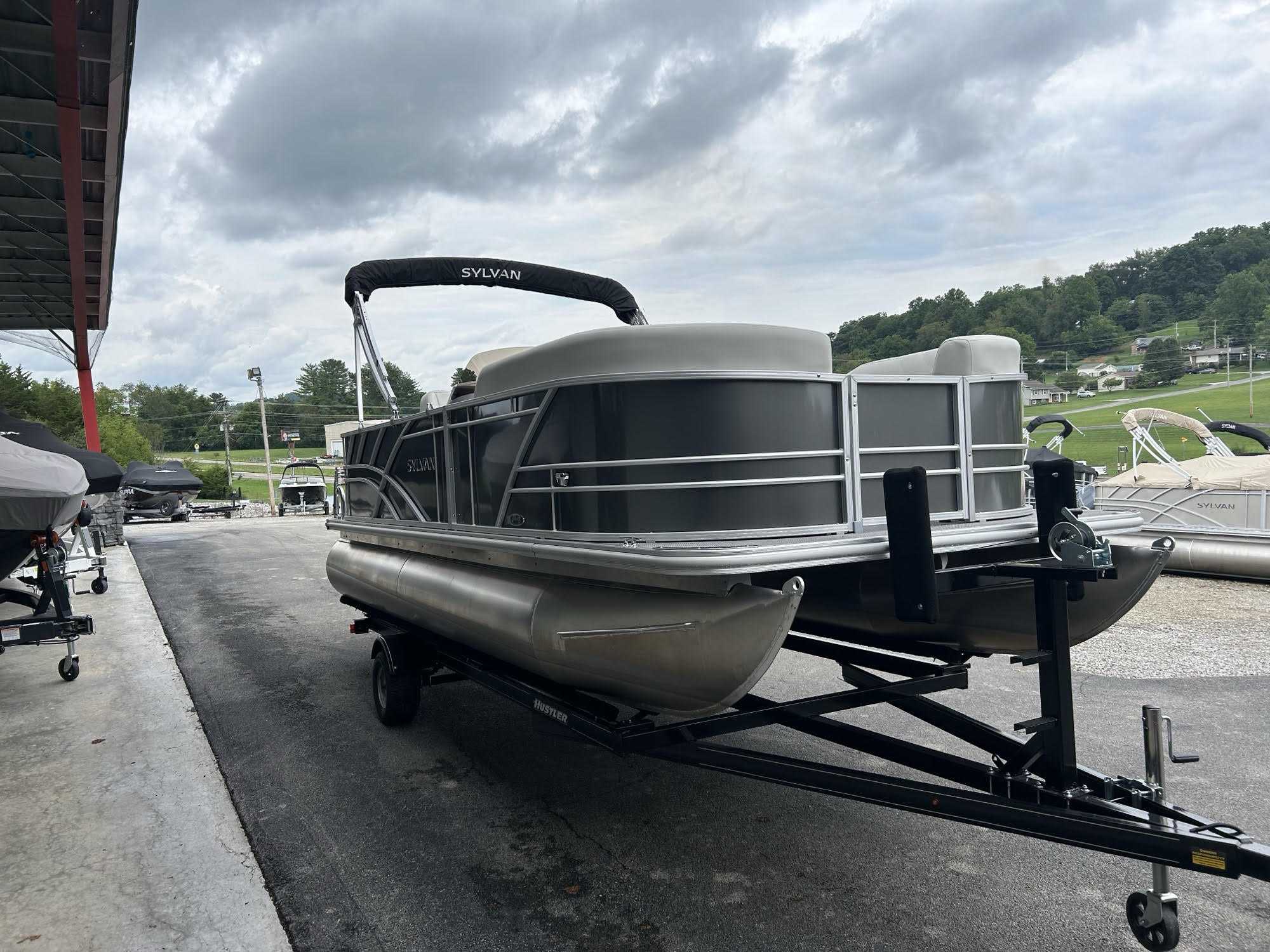
Trailer storage is one of the more accessible storage options for boat owners. You can store your boat at home, at a dedicated storage facility, or at a marina lot. While it may not offer the same level of weather protection as indoor options, using a quality boat cover helps prevent debris accumulation and UV damage during storage. This approach also gives you flexibility to transport your boat to different lakes throughout the season.
Indoor Storage
Indoor boat storage provides a high level of protection from weather and environmental damage. If you're storing your boat through the winter months — especially given the freeze-thaw conditions on Norris Lake — indoor storage is worth considering. It eliminates exposure to the elements entirely, keeping your hull, upholstery, and mechanical systems in better condition over time.
How to Prepare Your Boat for Storage on Norris Lake
Choosing the right storage type is only half the equation. How you prepare your boat before it goes into storage matters just as much. Here's a general checklist to help you get it right.
1. Winterize the Engine
Boat owners should winterize their engines before storing a boat during cold months. This process typically involves flushing the engine, fogging internal components, and ensuring water is cleared from the cooling system — steps that help prevent freeze damage and corrosion. If you're not confident doing this yourself, a qualified marine service technician can handle it for you.
2. Clean the Hull and Interior
A thorough cleaning before storage removes algae, grime, and waterline residue from the hull. Inside the boat, clean and dry all upholstery, carpeting, and storage compartments. Moisture left inside a closed boat over winter can lead to mildew and unpleasant odors by spring.
3. Cover Your Boat
Boat covers should be used during storage to prevent debris accumulation and UV damage. A well-fitted, breathable cover keeps out leaves, bird droppings, and dirt while allowing airflow to prevent moisture buildup underneath.
4. Check the Battery and Fuel System
Disconnect and store the battery in a cool, dry place. For the fuel system, consult your owner's manual or a marine technician for guidance specific to your engine type. Improperly stored fuel can degrade over time, causing starting issues when the season rolls back around.
5. Schedule a Maintenance Check
Regular maintenance checks during storage help extend the life of a boat's engine and hull. Use the off-season as an opportunity to address any minor issues before they become bigger problems in the spring. It's much easier to handle repairs during storage than to discover a problem on your first day back on the water.
Mid-Season Storage: Don't Overlook It
Storage isn't only a winter concern. If you're heading out of town for a few weeks, or if your boat is between seasons, a short-term storage plan is still worth having. Even brief exposure to intense summer sun can fade upholstery and gel coat. Keeping your boat covered and out of direct sunlight during mid-season breaks helps preserve its appearance and value over the long run.
Finding the Right Storage Facility Near Norris Lake
Norris Lake is located near Jacksboro in East Tennessee, which puts it close to a growing network of marina facilities and storage yards. When evaluating a storage provider, consider:
Security: Does the facility have gated access, lighting, and surveillance?
Access hours: Can you retrieve your boat on your schedule?
Staff and services: Does the marina offer launch services, fueling, or basic maintenance on-site?
Size accommodations: Make sure the facility can handle your boat's length and beam dimensions.
Talk to other boaters on Norris Lake — word of mouth is often the most reliable way to find a trustworthy storage option in the area.
Ready to Get on the Water? Premier Watersports Is Close By
If you're in the market for boats — whether you're eyeing your first vessel or ready to upgrade — Premier Watersports is Tennessee's leading marine dealership with three locations to serve East Tennessee boaters. Our Jacksboro location at 132 Myers St, Jacksboro, TN 37757 is the closest Premier Watersports dealership to Norris Lake, and our team is passionate about helping you find the right boat for the way you use the water.
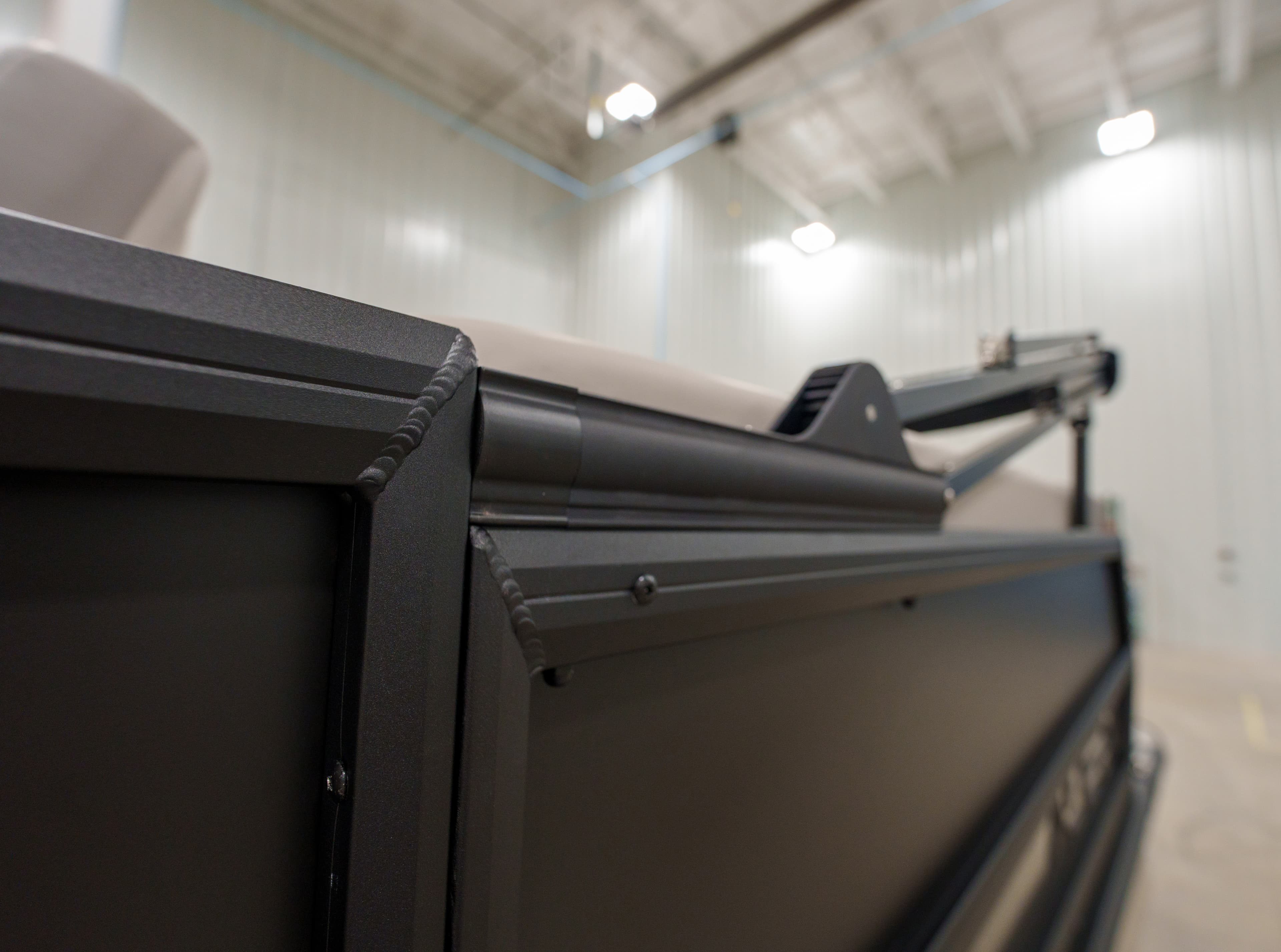
We carry brands including Malibu, MasterCraft, Moomba, Supra, and Yamaha, among others. With over 168 boats in stock across our locations, there's a strong chance your next boat is already waiting for you.
We serve customers across Jacksboro, Knoxville, and Gallatin, and our team is ready to help — Monday through Friday, 9:00 AM to 6:00 PM, and Saturday, 9:00 AM to 5:00 PM.
Jacksboro: 132 Myers St, Jacksboro, TN 37757 | (423) 449-8403
Knoxville: 13137 El Camino Lane, Knoxville, TN 37932 | (865) 693-9949
View our inventory to browse what's available, or contact our team and we'll help you find the perfect match for Norris Lake.