To winterize a boat in Tennessee, work through these steps before the first hard freeze: haul out and inspect the hull, prop and trailer. Then change the oil, stabilize the fuel, flush and antifreeze the cooling system, and fog the cylinders. Drain ballast, livewells and bilges, disconnect the battery, dry the interior, and cover or shrink-wrap the boat.
Why Winterizing Matters in Tennessee
Tennessee winters bring temperatures that can drop below freezing. Water left in an engine block expands as it freezes and can crack the block. Proper winterization can help prevent costly engine repairs caused by freeze damage.
Freeze damage can also raise warranty questions. Review your manufacturer's warranty terms before storage so you know what your coverage expects of you.
Haul-Out Prep Checklist: Hull, Prop and Trailer
Haul-out is the process of removing your boat from the water for seasonal storage. Whether you run Norris Lake or waters closer to Knoxville or Nashville, start your Tennessee haul-out prep with a walk-around while the boat is clean and fresh out of the water.
Check the trailer too: test the lights, look over the tires, and inspect and grease the wheel bearings before it sits for the winter.
Hull: Inspect for damage such as cracks or blistering.
Gel coat: Wax fiberglass hulls to protect the gel coat over winter.
Pontoon tubes: Check aluminum tubes for corrosion or damage.
Propeller: Look for dings and damage. Fall is a good time to schedule repairs before spring demand.
Trailer: Inspect and maintain bunks and rollers so the boat sits properly through the off-season.
Engine Winterization Steps
This is the core of any boat winterization checklist. Engines differ, so follow the sequence in your owner's manual. A typical process looks like this:
Change the oil and filter. Fresh oil keeps acidic contaminants from sitting in the engine over winter.
Add fuel stabilizer. Treat the tank before storage to prevent fuel degradation, then run the engine briefly so treated fuel reaches the system.
Flush the cooling system. Run fresh water through it to clear out lake water and debris.
Add marine antifreeze. This protects raw-water cooling systems from freezing.
Fog the cylinders. Fogging oil coats the cylinders to help prevent corrosion.
Check belts and hoses. Inspecting and replacing worn ones now is a smart maintenance practice.
Grease fittings and steering. Lubricating these components helps prevent corrosion over the winter.
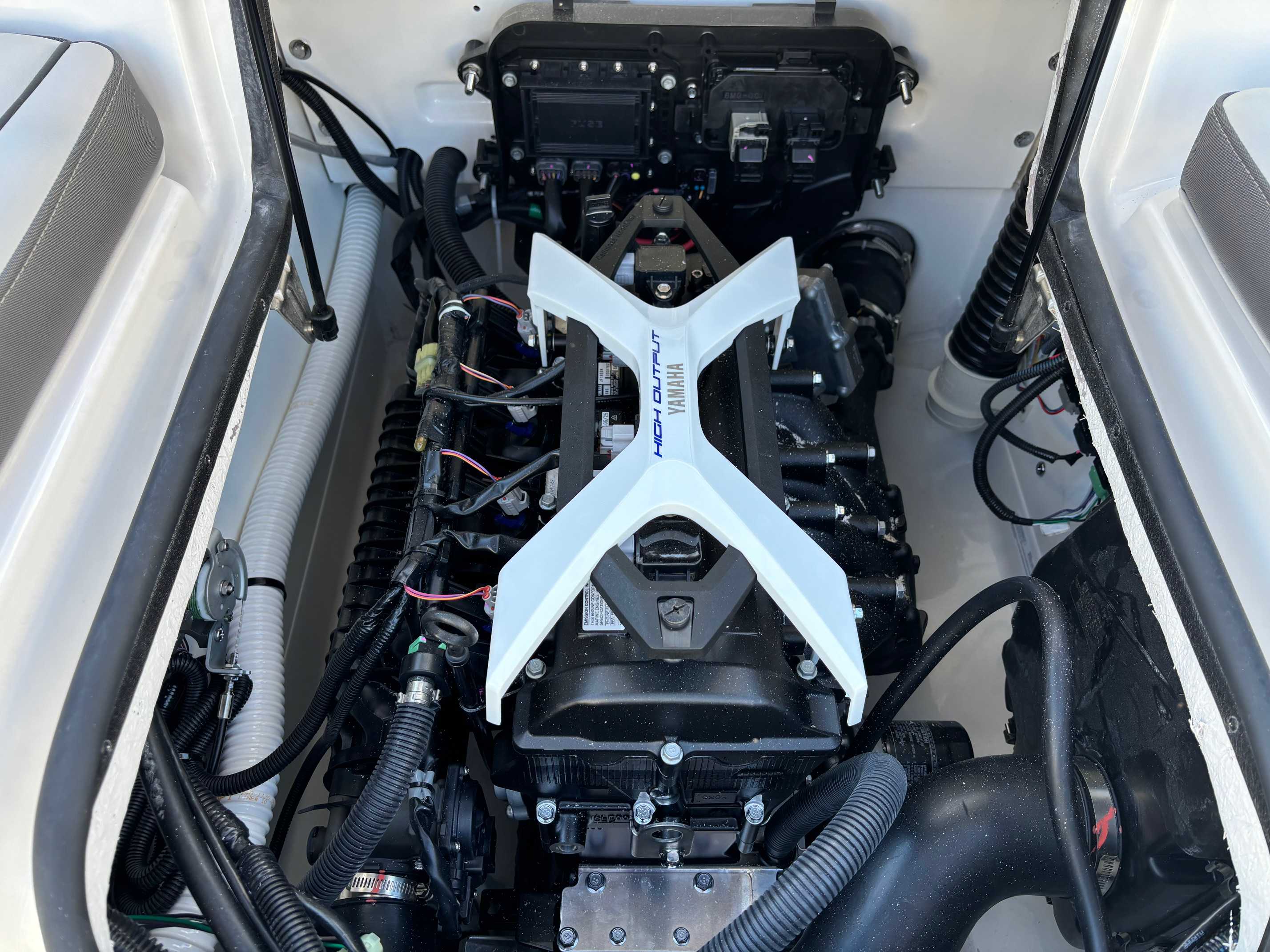
While you're in the engine compartment, inspect the raw-water pump impeller. A cracked or stiff impeller is cheaper to replace now than to discover on the first spring outing.
Draining Ballast, Livewells and Bilges
Trapped water anywhere on the boat is a freeze risk. Draining livewells, bilges and ballast systems is a standard winterization step.
Wake boat ballast: Drain ballast systems fully before storage to prevent freeze damage. This matters for owners of wake and surf boats from brands like Malibu, MasterCraft, Moomba, Supra and Tige.
Livewells: Empty them completely, especially on fishing boats.
Bilge: Drain it, then check that the bilge pump operates properly before you put the boat away.
On wake and surf boats, follow your owner's manual (or ask our service team) for clearing water out of the ballast pumps and lines once the tanks or bags are empty. Water left in a pump housing can freeze too.
Battery, Electrical, Interior and Safety Gear
Battery: Disconnect it to prevent discharge and extend battery life.
Shore power and chargers: Inspect connections and onboard chargers during haul-out.
Electronics and valuables: Remove them for security and protection.
Interior: Clean and dry upholstery, carpet and storage compartments to help prevent mold and mildew.
Life jackets and safety equipment: Inspect and inventory them now, so you can replace anything worn before next season.
If you'd rather leave the battery aboard, clean the terminals and keep it on a marine battery maintainer through the winter.
Covering and Storing Your Boat
A boat cover or shrink wrap protects your boat from the elements during winter storage. Make sure the interior is fully dry before you cover it, since trapped moisture works against your mildew prevention.
Before the cover goes on, take off tower speakers, board racks and mirrors that could rub through the cover or get damaged in storage.
Common Winterization Mistakes
Waiting too long. An early cold snap can catch a boat that still has water in the block or ballast.
Skipping the ballast system. Owners often handle the engine and forget the ballast tanks and lines.
Leaving the battery connected. A slow drain over winter can leave you with a dead battery in spring.
Covering a damp boat. It invites the mold and mildew you just cleaned out.
Shopping for a boat near Nashville? Read what to look for in the best boat dealer in Nashville TN.
Book Winterization Service at Premier Watersports
If you'd rather hand off the job, a professional marine technician can perform a full winterization service. Premier Watersports serves boat owners across Tennessee from three locations. Visit our service page or contact our team to get on the fall schedule.
Knoxville – 13137 El Camino Lane. Open Tuesday–Friday 9:00 AM–5:00 PM and Saturday 10:00 AM–2:00 PM. Closed Sunday and Monday.
Nashville – 1280 South Water Ave. Open Tuesday–Friday 9:00 AM–5:00 PM.
Norris Lake – 132 Myers St. Open Tuesday–Friday 9:00 AM–4:00 PM.
Already planning next season? View our inventory or browse brands like Malibu, Moomba and Tige. Life is better on the water, and a well-winterized boat gets you back out there sooner in spring.